Injection Mold Maintenance Planning for Production
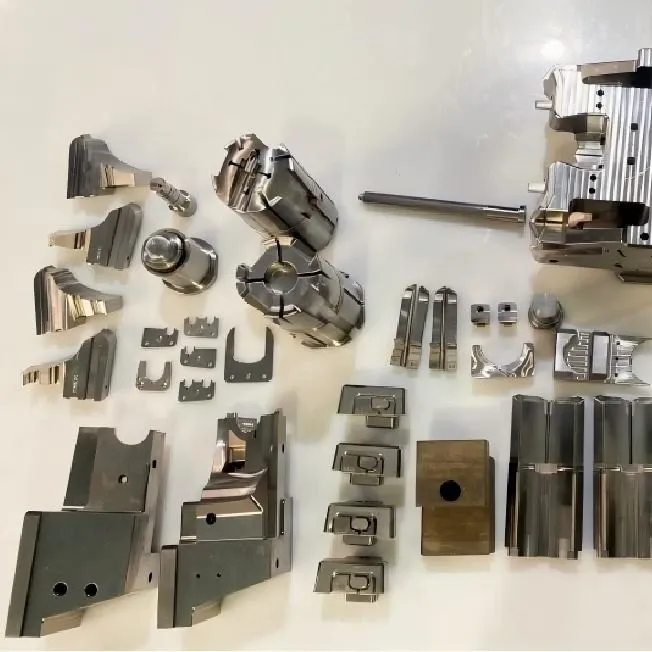
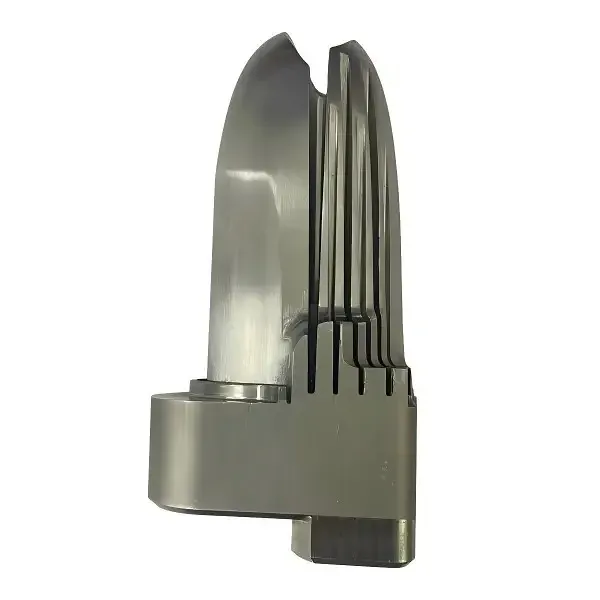
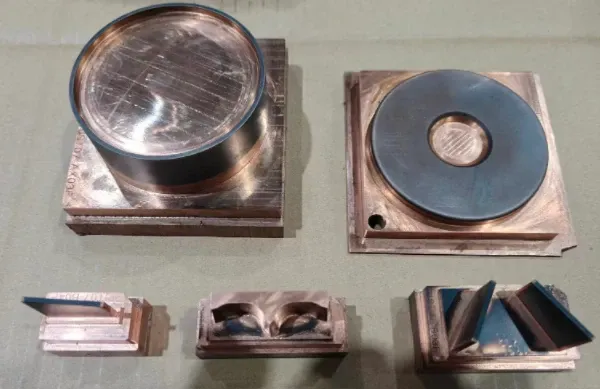
Plan injection mold maintenance, identify wear components and prepare spare inserts and copper electrodes to support future repairs and reduce avoidable production disruption.
Plan injection mold maintenance, identify wear components and prepare spare inserts and copper electrodes to support future repairs and reduce avoidable production disruption.
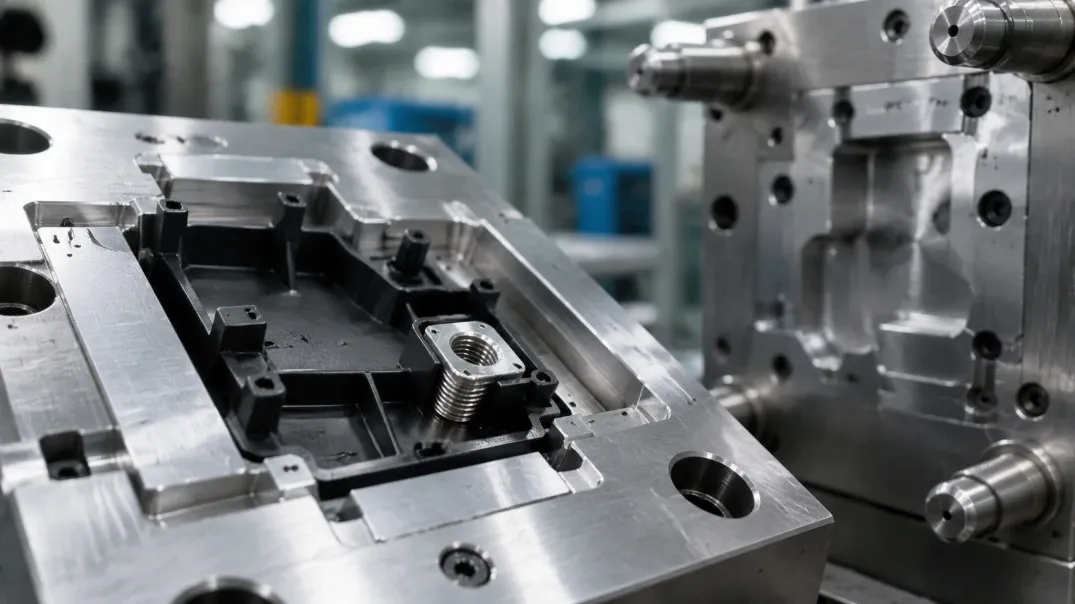
An automotive insert-molding case shows how insert location, flow, support, cooling and ejection affect dimensional stability—and what buyers should verify before tooling.

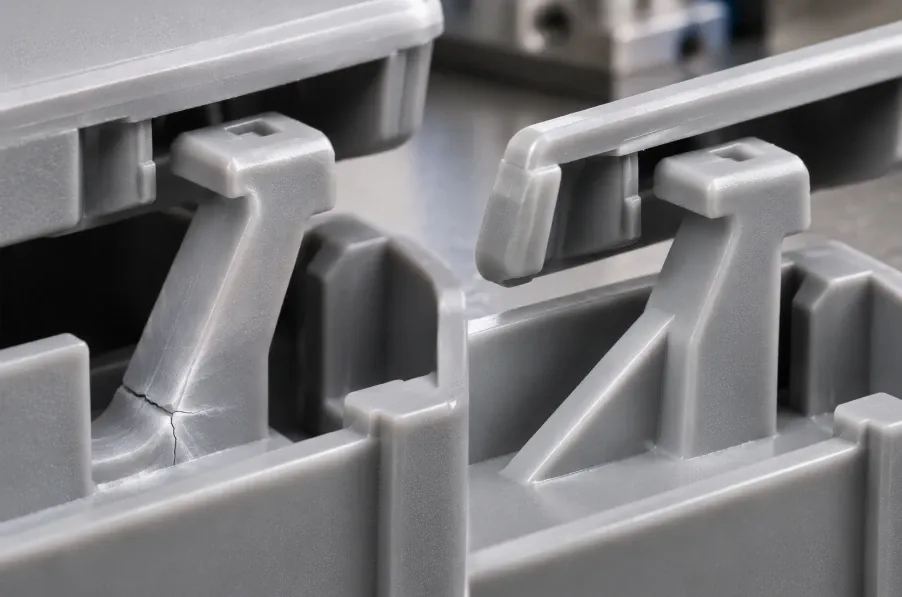
Learn why plastic snap-fit latches break, whiten or fail to lock during assembly, and how engineers can identify the right design, material, molding or tooling improvements.

Prepare for a customer-site injection mold trial. Learn how buyers verify machine readiness, trial evidence, part requirements, open issues and tool acceptance.

A practical guide to deep-rib geometry, thin-steel support and mold-insert stiffness, with DFM checks for engineers and tooling buyers.

A practical guide to 0.5 mm thin-wall molding, explaining how flow length, gate design, venting and differential shrinkage interact—and what buyers should review before tooling quotation.

A buyer-focused guide to automatic unscrewing mold design, thread integrity, release sequencing, material shrinkage and supplier DFM review.

Learn how datum strategy, insert fit and assembly checks help control core-to-cavity alignment, reduce mismatch risk and support maintainable mold inserts.

See how injection mold design affects PCB mounting interfaces, enclosure flatness and dimensional stability in custom electronic housings.

A project-based checklist for mold steel, heat treatment, shut-offs, venting, cooling, inspection and trial acceptance. Define each requirement from the part, resin and production plan.

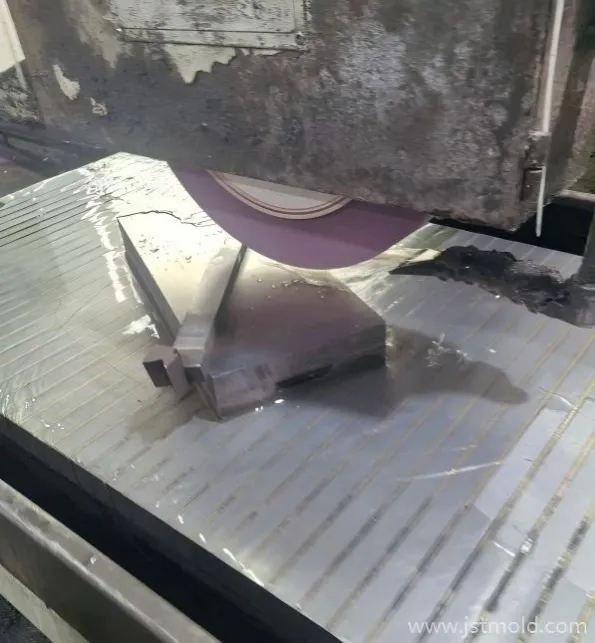
An engineering overview of mold finishing, including grinding, EDM, polishing, surface preparation and project-specific inspection requirements.

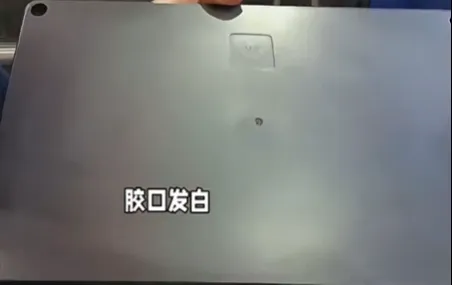
Diagnose injection molding defects using symptom, likely cause, mold design checks, process checks and corrective actions. Includes melt instability, gate blush and voids.