Injection Mold Steel Selection Guide: P20, H13, S136 & More
Practical guide to choosing injection mold steel by tool life, resin, surface finish and ROI, covering P20, 718H, NAK80, S136, 1.2343/H11 and H13/1.2344.
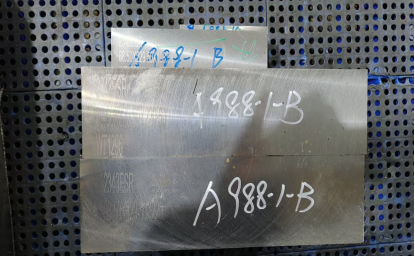
Choosing mold steel starts with a simple question: what does the tool actually need to survive?
Production volume matters, but shot count alone is not enough. A 300,000-shot mold running PP does not face the same wear conditions as a 300,000-shot mold running PA66-GF30. A high-gloss PC part also creates a very different steel requirement from a textured ABS housing.
In practice, mold steel selection is a balance between expected tool life, resin and filler content, corrosion and wear risk, surface-finish requirements, mold size and insert geometry, heat-treatment strategy, maintenance expectations, and total tooling cost.
At JST Mould, we therefore treat the target shot count as the starting point of steel selection—not the final specification.
A Practical Shot-Life Planning Framework
For quotation and early DFM discussions, expected production volume is still a useful first filter.
| Target tool life | Typical starting options | Main checks before confirmation |
|---|---|---|
| Up to 100,000 shots | P20 or an economical pre-hardened steel | Resin, texture, part size, change risk |
| 100,000–500,000 shots | P20, 718H, NAK80, S136 inserts | Glass fiber, polish, corrosion, maintenance |
| 500,000–1,000,000 shots | 718H, NAK80, S136, H13/1.2344 | Wear zones, heat treatment, cooling, gate design |
| Above 1,000,000 shots | Hardened or ESR-grade inserts, often in a hybrid structure | Resin abrasion, dimensional stability, spare inserts, lifecycle cost |
These ranges are planning references, not guaranteed life ratings. Tool life also depends on mold design, steel quality, heat treatment, cooling, processing conditions and maintenance.
P20: Cost-Efficient Steel for General-Purpose Molds
P20 is a pre-hardened mold steel widely used for general plastic injection molds. Because it is supplied in a machinable condition, it can shorten lead time by avoiding a separate hardening step for many standard applications.
Best fit: lower-to-medium volumes, large mold bases or inserts, and non-corrosive resins such as PP, PE, PS and ABS.
Watch-outs: abrasive glass-filled materials, corrosive flame-retardant systems, optical polishing and very long production programs can justify an upgraded insert steel.
718H: A Balanced Upgrade for Larger or Better-Finish Tools
718H is a higher-grade pre-hardened steel commonly selected when a project needs better hardness uniformity, polishing response and dimensional stability than a basic P20 solution.
Best fit: medium-volume consumer and automotive parts, larger cavities, appliance housings and applications requiring a good cosmetic finish without moving to a fully hardened tool.
Decision point: for abrasive resin, deep texture, narrow gates or a high-cycle program, hardened wear inserts may still be the more economical choice.
NAK80: Pre-Hardened Steel for High-Gloss and Detailed Surfaces
NAK80 is known for polishability, stable pre-hardened condition and a consistent EDM surface. It is often considered for transparent, high-gloss or finely textured parts where surface quality is a primary requirement.
Best fit: light guides, cosmetic packaging, display components and premium appearance parts.
Watch-outs: excellent polishability does not automatically make NAK80 the best choice for corrosive resins, severe glass-fiber wear or every optical application. Resin chemistry, venting, gate location and polishing protocol still matter.
S136: Corrosion Resistance and High-Polish Capability
S136-type stainless mold steel is commonly used when corrosion resistance, clean operation and high polishability are important. It can be a strong candidate for PVC-related corrosion risks, flame-retardant compounds, humid operating environments, medical components and transparent parts.
Best fit: corrosive resin systems, medical or food-contact tooling requirements, clear parts and molds that may face condensation or extended storage.
Decision point: specify the required steel condition, heat treatment, hardness and polishing level rather than relying on the grade name alone.
1.2343 / H11: Tough Hot-Work Steel for Demanding Inserts
1.2343, commonly associated with H11, combines hot-strength with toughness. It is useful for inserts exposed to thermal cycling, mechanical shock or complex geometries where crack resistance is important.
Best fit: automotive tooling, demanding core inserts, high-temperature engineering polymers and components with deep ribs or locally concentrated stress.
H13 / 1.2344: Wear and Heat Resistance for High-Duty Molding
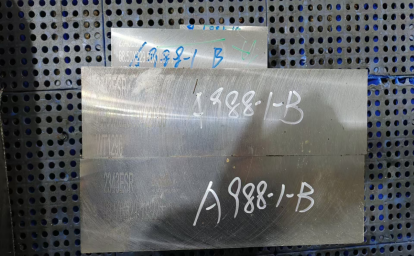
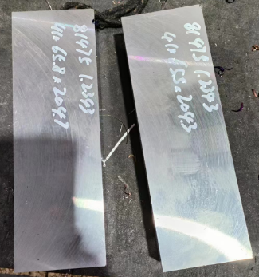
H13 and 1.2344 are widely used hot-work tool steels for molds running high-temperature or abrasive materials. After controlled heat treatment, they can deliver a useful combination of hardness, wear resistance, hot strength and toughness.
Best fit: PA66-GF, PBT-GF, PPS, LCP, PEEK and other demanding engineering polymers—especially around gates, shut-offs and wear-prone inserts.
For high-temperature polymers such as PEEK, steel selection must be coordinated with heating, cooling, venting and processing strategy. See our PEEK injection molding case study.
1.2343 vs. 1.2344: What Is the Practical Difference?
Both grades are proven hot-work steels. In simplified project terms, 1.2343/H11 is often favored where toughness and resistance to crack initiation are especially important, while 1.2344/H13 is frequently chosen when higher wear resistance and hot hardness are priorities.
The final choice should consider insert geometry, gate design, resin filler, hardness target, heat-treatment route and the steel supplier’s certified properties. A grade comparison without those conditions is incomplete.
When Does ESR Matter?
Electroslag remelting (ESR) improves cleanliness and structural uniformity. For demanding cavities and inserts, an ESR grade can support more consistent polishing, toughness and performance across the steel section.
ESR is especially worth evaluating for high-polish surfaces, complex inserts, demanding heat treatment, high reliability requirements and long-running automotive or medical programs.
Why Shot Count Alone Is Not Enough
Consider two tools both quoted for 300,000 shots. A PP enclosure with a light texture may run successfully in a pre-hardened steel. A PA66-GF30 component with a small gate, sharp shut-offs and dimensional requirements may need hardened wear inserts even at the same volume.
The resin changes the failure mode. Glass fiber increases abrasion; flame-retardant packages can increase corrosion risk; high processing temperatures increase thermal demand; and poor venting or unbalanced filling can accelerate local damage.
That is why steel selection must happen together with mold design and Moldflow analysis, not as an isolated purchasing decision.
Project Evidence: Material Control Before Machining
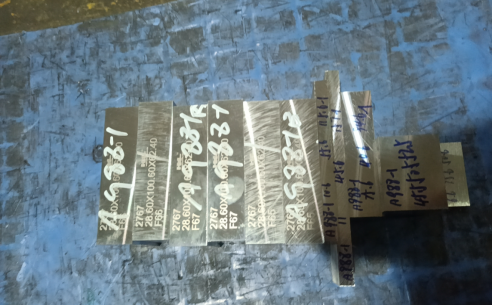
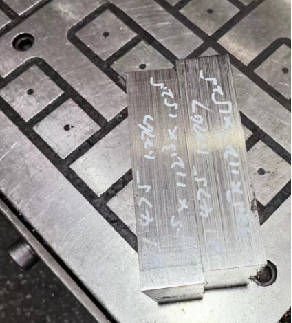
For critical inserts, steel grade is only one part of the specification. The quotation and tooling protocol should also define the mill or approved source, delivery condition, dimensions, hardness target, heat-treatment responsibility, certification requirements and traceability method.
JST applies this principle through documented tooling controls. Our high-precision tooling specification protocol explains the broader framework for materials, validation and delivery.
Calculate ROI Across the Tool Lifecycle
The cheapest steel at quotation is not always the lowest-cost choice in production. A better comparison includes raw steel, machining, heat treatment, polishing, coating, maintenance stops, insert replacement, scrap risk and the cost of interrupted supply.
| Cost factor | Lower-cost steel may help when… | Upgraded steel may pay back when… |
|---|---|---|
| Initial tooling cost | Volume is limited or design may change | The program is stable and long-running |
| Machining and lead time | Pre-hardened steel avoids heat treatment | Extra processing protects critical performance |
| Maintenance | Wear and corrosion exposure are low | Downtime or repeated repair is expensive |
| Part quality | Standard finish and tolerance are acceptable | Optical finish, tight tolerance or clean molding is essential |
Use a Hybrid Steel Strategy to Control Cost
A high-performance mold does not require every component to use the most expensive grade. A practical approach is to use economical steel for the mold base and low-risk regions, then specify upgraded cavity, core, gate, shut-off or wear inserts only where needed.
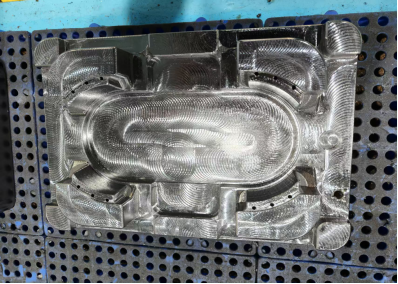
This insert strategy can also make future maintenance easier because high-wear areas can be replaced independently. It is especially valuable when Moldflow or prior tooling experience identifies local risk. Our PA6-GF10 warpage case study shows why material behavior and tool engineering must be evaluated together.
Information to Include in Your Mold RFQ
- 3D CAD and the latest 2D critical dimensions
- Exact resin grade, supplier, glass-fiber percentage and flame-retardant rating
- Expected annual volume and total program volume
- Required surface texture, gloss or optical standard
- Critical tolerances and dimensional capability
- Target mold life and maintenance assumptions
- Preferred steel supplier, certification and traceability requirements
- Sampling, validation and spare-insert expectations
If flame performance is part of the specification, identify the exact compound rather than only writing “V-0 plastic.” Our UL 94 guide explains why the rating and material system must be handled precisely.
Frequently Asked Questions
What is the best steel for an injection mold?
There is no universal best grade. P20 or 718H may be ideal for a moderate-volume general-purpose mold, while S136 can be better for corrosion resistance and high polish, and H13/1.2344 may be better for abrasive or high-temperature materials.
Is H13 the same as 1.2344?
They are commonly treated as close equivalents, but project specifications should confirm the applicable standard, supplier chemistry, delivery condition, heat treatment and certified properties.
Should I choose mold steel only by shot count?
No. Shot count is only an initial filter. Resin fillers, corrosion risk, gate wear, surface finish, insert geometry, heat treatment, cooling and maintenance can change the correct choice.
When should I specify ESR steel?
Consider ESR for high-polish cavities, complex inserts, demanding heat treatment, high reliability or long-running programs where cleanliness and uniformity justify the added cost.
Can different steels be used in the same mold?
Yes. A hybrid structure is common: economical mold-base steel supports upgraded cavity, core, gate or wear inserts. This can balance performance, maintenance and total cost.
Need a Mold Steel Review Before Quotation?
Send JST Mould your 3D CAD, resin grade, annual volume, target tool life, surface requirement and critical tolerances. Our engineering team can review steel selection together with mold structure, wear zones, cooling and lifecycle cost.
Contact JST Mould or email info@jstmould.com for a project-specific DFM and mold steel review.