Jul 29, 2026Engineering Whitepapers
UL 94 FR Standards: Mastering V-0 Compliance and Material Selection for Tier-1 Plastics (2026)
2026 Guide to UL 94 FR standards. Mastering V-0 compliance, Oxygen Index, and masterbatch selection for Tier-1 electronics and safety-critical hardware.
In the global plastics and electronics industries, fire safety is not just a feature—it is a mandatory compliance standard. The UL 94 standard, established by Underwriters Laboratories, is the most authoritative benchmark for evaluating the flammability of plastic materials. This guide provides a deep dive into the classification, testing methodologies, and technical requirements essential for material selection.
I. The Critical Importance of Material Thickness
The UL 94 rating is not a standalone value; it is intrinsically linked to the thickness of the plastic part. Reporting a UL rating (e.g., V-0) without specifying the thickness is technically insufficient. When selecting materials, engineers must ensure the UL rating aligns with the wall thickness of the specific component.
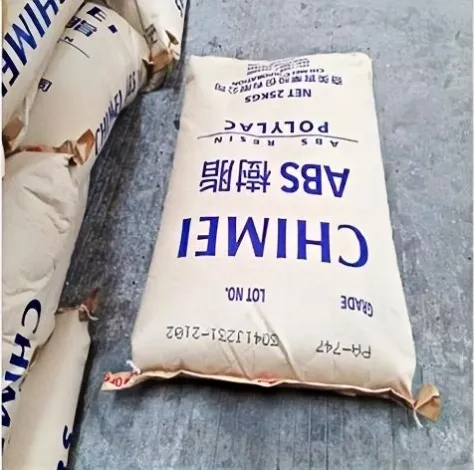
Material Foundation: Utilizing UL-certified ABS for V-0 compliance.
II. The Hierarchy of Flame Retardant Levels
Flame retardancy in plastics is classified in increasing order of safety: HB → V-2 → V-1 → V-0 → 5VB → 5VA.
- HB (Horizontal Burn): The lowest rating.
- For samples 3–13mm: Burn rate $< 40$ mm/min.
- For samples $< 3$ mm: Burn rate $< 70$ mm/min.
- V-2: Vertical burn stops within 60s. Flaming drips are permitted to ignite the surgical cotton below.
- V-1: Vertical burn stops within 60s. Drips must not ignite the cotton.
- V-0: Vertical burn stops within 30s. Drips must not ignite the cotton.
- 5VB: After five 5-second flame applications, flaming stops within 60s. Drips are not allowed. Burn-through (plaque) is permitted.
- 5VA: The highest safety tier. Similar to 5VB, but no burn-through is allowed on the plaque sample.
III. Industry Specific Requirements: IT Equipment Case Study
Safety standards often dictate minimum ratings for specific components:
- PCB: V-1 or higher.
- FBT, CRT, Yoke: V-2 or higher.
- Wiring Harnesses: V-2 or higher.
- Small Parts (Gears, Belts, Bearings): Generally exempt if separated from heat sources by $> 13$ mm or V-1 barriers.
- Sealed Metal Enclosures ($< 0.06m^3$): Internal parts (ICs, transistors, optocouplers) on V-1 PCBs generally do not require separate certification.
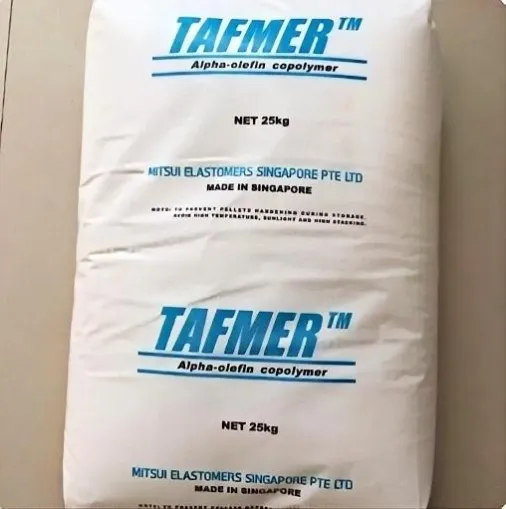
Engineering Balance: Optimizing impact strength in flame-retardant polymers.
IV. Testing Methodologies: ANSI/UL-94-1985 Standards
The standard encompasses five primary test types, including:
- Horizontal Burning (94HB): Conducted in a draft-free chamber using a 127mm strip.
- Vertical Burning (94V-0, V-1, V-2): A 19mm blue flame is applied twice for 10 seconds. The "afterflame" and "afterglow" times are recorded, and the effect of drips on cotton is monitored.
- 5-V Vertical Burning (A & B Methods): The most rigorous test, involving five applications of a 127mm flame at a 20° angle.
V. Technical Metrics: Oxygen Index (OI) vs. UL 94
While UL 94 measures direct contact, the Oxygen Index (OI) quantifies the minimum oxygen concentration required to sustain combustion:
$$OI = \frac{[O_2]}{[O_2] + [N_2]} \times 100\%$$
- OI $< 22$: Flammable.
- OI 22–27: Self-extinguishing.
- OI $> 27$: Flame retardant (Most resins require modification to reach the industrial target of $OI \approx 30$).
VI. The Three Stages of Plastic Combustion
Understanding how plastics burn is key to fire prevention:
- Thermal Induction: External heat causes a phase change from solid to liquid.
- Thermal Degradation: Heat breaks molecular bonds, triggering a free-radical chain reaction that releases flammable gases.
- Combustion: When gas concentrations reach the ignition limit, the material ignites and spreads.
VII. Our Professional Solutions
We specialize in high-performance Flame Retardant Masterbatches for PP, PE, PS, and ABS. Our products offer excellent dispersibility and ease of use.
- Suggested Dosage: 10% for PP/PE (V-0); 10–15% for ABS/PS (V-0).
- Technical Excellence: Heat resistance $\ge$ Grade 4; Lightfastness Grade 7-8.
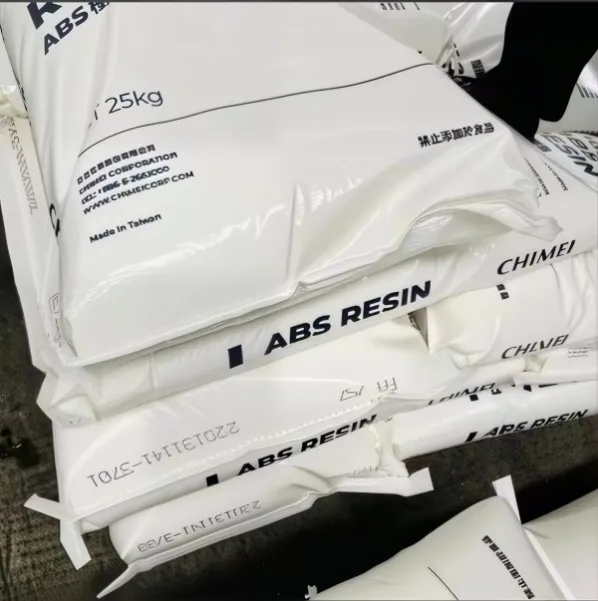
Technical Excellence: Expert masterbatch integration for superior fire safety.
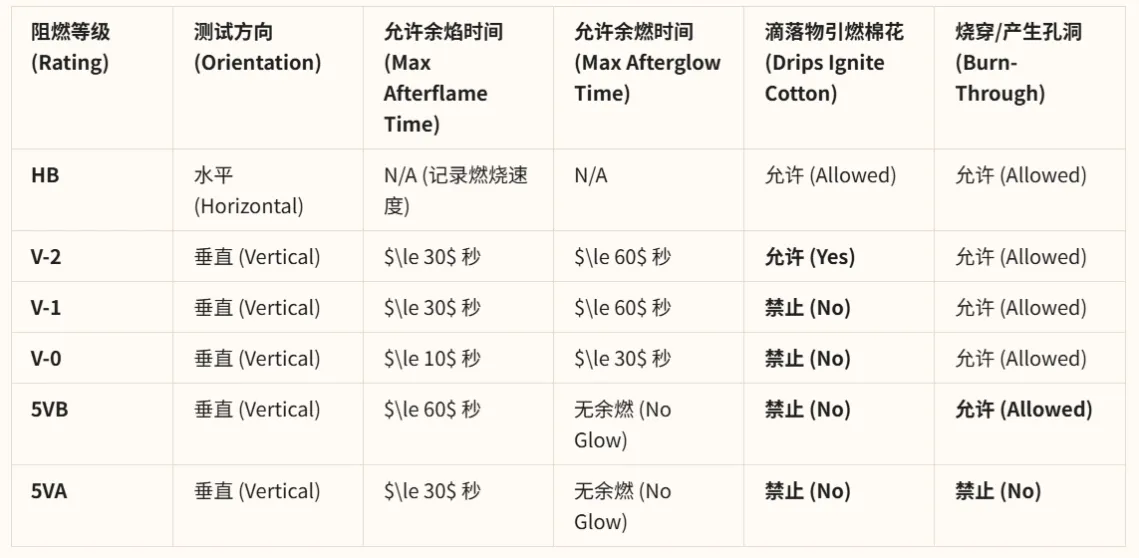
阻燃等级(Rating) | 测试方向(Orientation) | 允许余焰时间(Max Afterflame Time) | 允许余燃时间(Max Afterglow Time) | 滴落物引燃棉花(Drips Ignite Cotton) | 烧穿/产生孔洞(Burn-Through) |
HB | 水平 (Horizontal) | N/A (记录燃烧速度) | N/A | 允许 (Allowed) | 允许 (Allowed) |
V-2 | 垂直 (Vertical) | $\le 30$ 秒 | $\le 60$ 秒 | 允许 (Yes) | 允许 (Allowed) |
V-1 | 垂直 (Vertical) | $\le 30$ 秒 | $\le 60$ 秒 | 禁止 (No) | 允许 (Allowed) |
V-0 | 垂直 (Vertical) | $\le 10$ 秒 | $\le 30$ 秒 | 禁止 (No) | 允许 (Allowed) |
5VB | 垂直 (Vertical) | $\le 60$ 秒 | 无余燃 (No Glow) | 禁止 (No) | 允许 (Allowed) |
5VA | 垂直 (Vertical) | $\le 30$ 秒 | 无余燃 (No Glow) | 禁止 (No) | 禁止 (No) |
All tests must be conducted at specific material thicknesses as per UL 94 standards.
Testing Standards: Adhering to strict UL 94 benchmarks for global export quality.
Is your fire safety compliance based on a certificate, or real-world engineering data?
A UL 94 V-0 rating on a datasheet means nothing if your tool design ignores wall thickness or gate shear heat. At JST Mould, we don't just "buy the resin"; we validate the flammability performance through DFM and scientific trials. If your product is destined for the US or European IT/EV markets, you cannot afford to guess.
Let’s secure your project’s safety standards today.