Engineering Whitepapers
T1 Mold Trial Cooling Issue: A Real Project Case Study
A real T1 mold trial case showing how JST Mould coordinated with a German customer, corrected a local cooling issue and validated the samples through CMM inspection.
A mold trial is not simply about producing the first plastic samples. It is also the stage when actual molding results reveal issues that may require engineering decisions and tooling modifications.
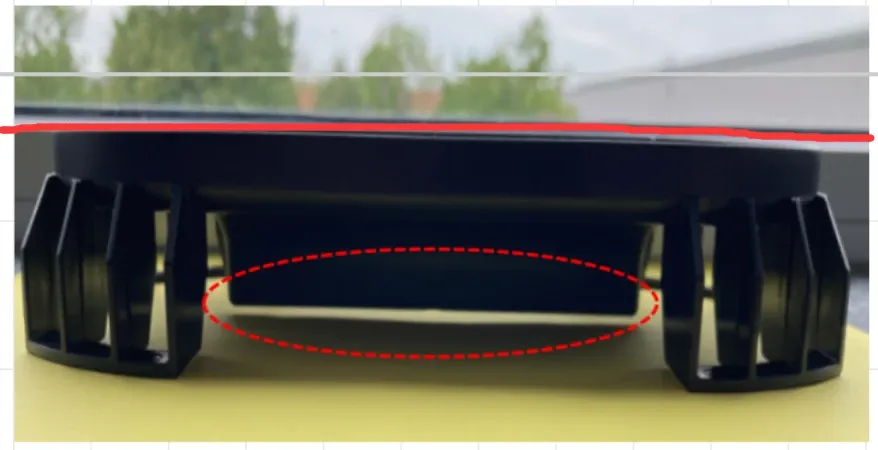
During one JST Mould project, the T1 trial revealed insufficient cooling in an oval-shaped area near the center of the molded part. Rather than treating the issue as a routine production delay, JST coordinated directly with the German customer while its engineering team worked on the mold design revision.
After several days of mold modification, the corrected samples were inspected using a Coordinate Measuring Machine (CMM). The samples passed inspection and were subsequently sent to the customer.
This case demonstrates how engineering communication, timely tooling modification and dimensional verification work together during mold development.
1. The T1 Mold Trial: Identifying a Local Cooling Issue
During the initial T1 mold trial, the molded sample showed a cooling-related issue in an oval-shaped area near its center.
The affected area indicated insufficient cooling during the trial.
The central oval area was identified for further review after the T1 mold trial.
This finding required further engineering attention before the samples could be considered ready for customer evaluation.
A T1 trial provides an opportunity to compare actual molded-part behavior with the intended design and project requirements. When an issue appears, the engineering team must evaluate the situation and determine what corrective action is needed.
In this project, the next step was to coordinate the engineering response with the customer.
2. Direct Engineering Coordination with the German Customer
JST Mould arranged a video meeting with the German customer to discuss the issue identified during the T1 trial.
At the same time, JST engineers worked on the mold design modification.
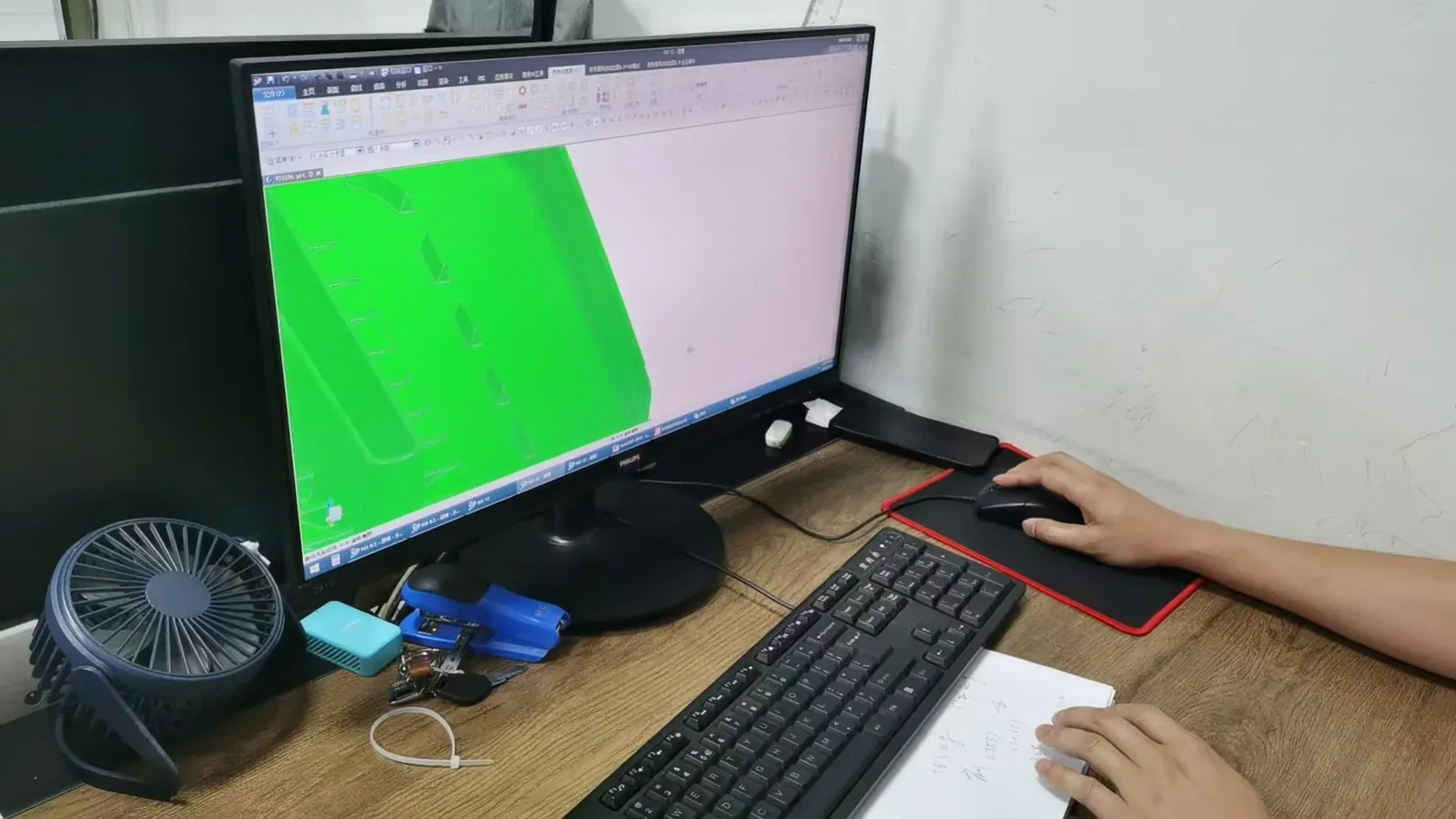
JST engineering reviewed the mold design while coordinating the correction with the customer.
This parallel approach allowed technical communication and engineering work to proceed together rather than treating customer discussion and internal modification as separate stages.
For an overseas tooling project, clear communication is particularly important when a trial result requires a design decision.
The customer needs to understand the issue, while the engineering team needs to translate the discussion into practical tooling actions.
In this case, JST maintained direct communication with the customer while preparing the necessary mold modifications.
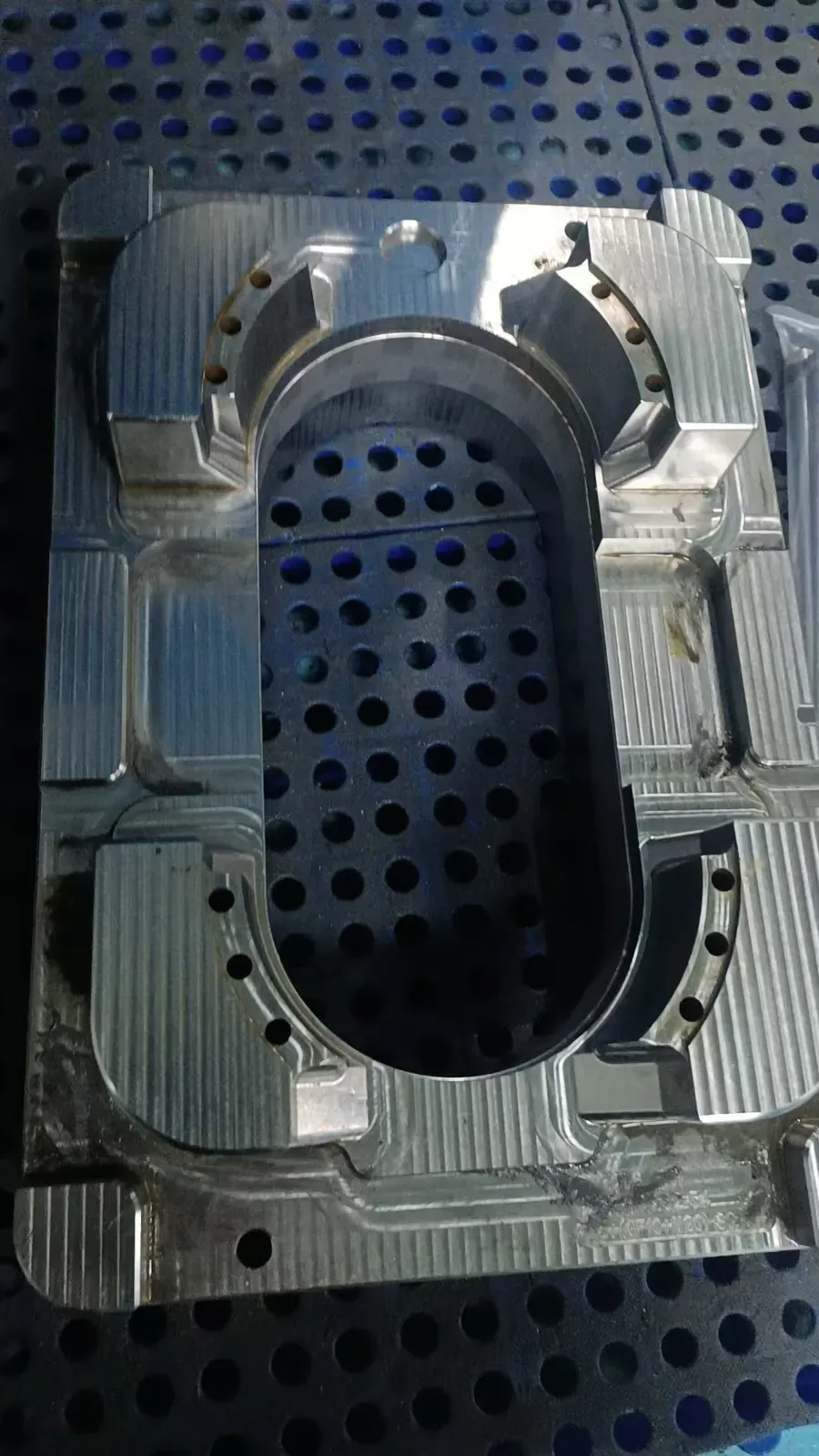
The mold area was reviewed as part of the response to the T1 trial finding.
3. Several Days of Mold Modification
Following the engineering discussion, JST proceeded with several days of mold modification.
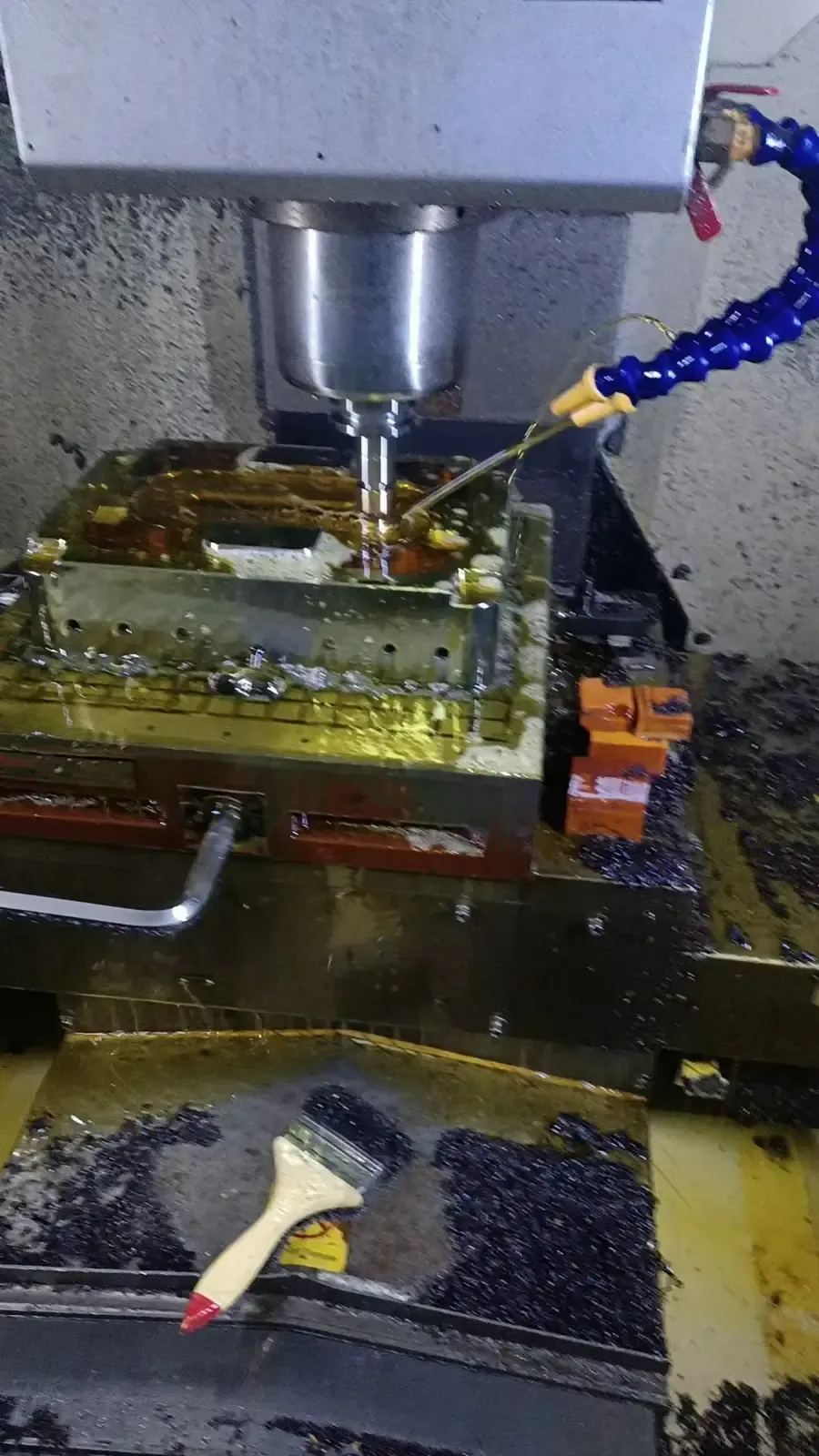
CNC machining was part of the mold rework carried out after the T1 review.
The modification stage required coordination between the engineering design and the physical mold correction process.
This is an important part of mold development: a trial finding must be translated into an actionable tooling change, and the modified tool must then be checked through another validation process.
The project moved forward from the initial T1 finding to corrected samples after the modification work was completed.
No unverified cooling-channel dimensions, redesign details, temperature data or performance improvements are claimed in this case study.
4. CMM Inspection of the Corrected Samples
After the mold modification, the resulting samples underwent Coordinate Measuring Machine (CMM) inspection.
The purpose was to verify the dimensional condition of the corrected samples rather than relying only on visual appearance.
The samples passed the inspection.
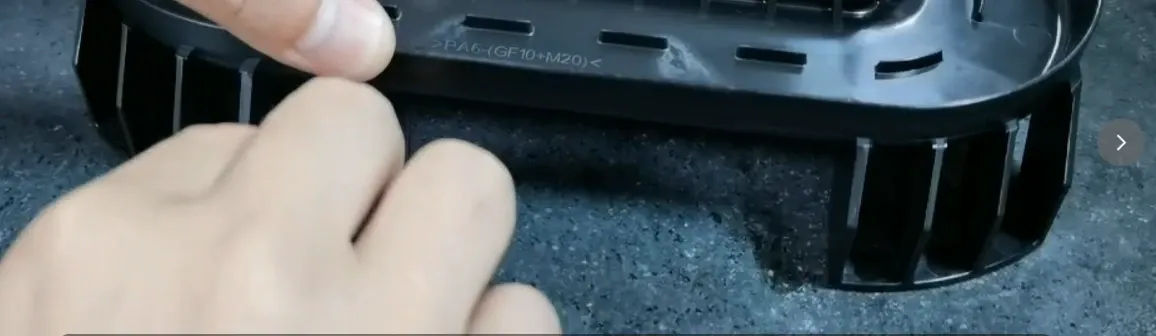
Close-up view of the molded component reviewed during the project.
CMM inspection provides dimensional measurement information that can support engineering evaluation and customer review. The actual inspection requirements and acceptance criteria remain project-specific.
In this case, the confirmed outcome was that the corrected samples passed the CMM inspection.
No unverified measurement values or tolerance figures are presented.
5. Successful Sample Delivery to the Customer
After passing inspection, the samples were sent to the German customer.
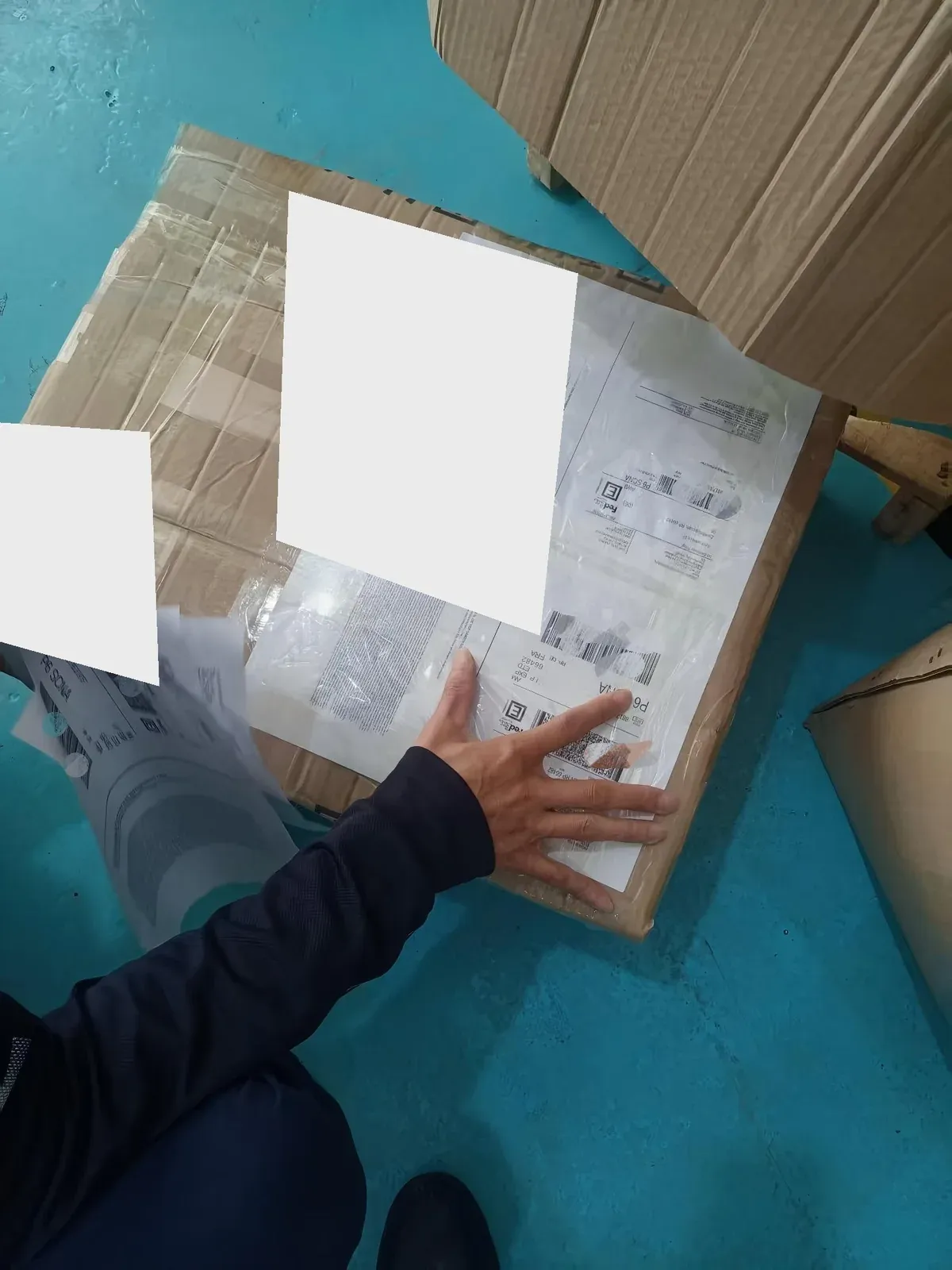
After the samples passed CMM inspection, they were packed for dispatch to the customer.
This completed the documented correction and sample-delivery sequence:
- The T1 trial identified a local cooling issue.
- JST coordinated the engineering response with the customer through a video meeting.
- Engineers worked on the mold design modification.
- The mold underwent several days of modification.
- Corrected samples passed CMM inspection.
- The samples were sent to the customer.
The project demonstrates the importance of connecting mold trial feedback, engineering coordination, tooling correction and dimensional inspection into one continuous workflow.
6. Engineering Lessons from This T1 Mold Trial
Several practical lessons can be drawn from this project.
A T1 issue should lead to an engineering response
The first trial is an opportunity to identify problems that may not become clear until actual molded samples are available.
The important point is to translate the finding into a clear engineering action.
Customer communication should support technical decisions
Direct communication helps align the customer and tooling team when a trial result requires modification.
In this project, the video meeting and engineering work took place in parallel.
Mold modification needs subsequent validation
Completing a tooling modification does not, by itself, establish that the samples meet project requirements.
The corrected samples still need to be inspected using the agreed verification method.
Dimensional inspection supports customer confidence
CMM inspection provided the dimensional verification step in this project before the samples were sent to the customer.
The inspection result, rather than appearance alone, supported the next project step.
Conclusion
A successful mold development process requires more than completing machining and producing the first samples.
When the T1 trial reveals a local cooling issue, the tooling supplier must coordinate with the customer, organize the necessary engineering modification and verify the corrected samples before delivery.
In this German customer project, JST Mould followed that sequence from T1 issue identification through mold modification and CMM inspection to sample delivery.
For overseas customers, this type of engineering coordination is an important part of evaluating an injection mold supplier—not just the ability to manufacture a mold, but also the ability to respond when actual trial results require corrective action.
FAQ
What happened during this T1 mold trial?
The molded sample showed insufficient cooling in an oval-shaped area near its center, requiring mold design modification.
How did JST Mould coordinate the correction?
JST arranged a video meeting with the German customer while its engineering team worked on the mold design modification.
How long did the mold modification take?
The mold underwent several days of modification. An exact number of days has not been disclosed.
How were the corrected samples verified?
The corrected samples underwent CMM inspection and passed the inspection.
Were the corrected samples delivered to the customer?
Yes. After passing inspection, the samples were sent to the customer.
Need Engineering Support for Your Injection Mold Project?
If your T1 mold trial reveals cooling, dimensional or other tooling issues, early engineering coordination can help define the next corrective steps.
JST Mould supports custom injection mold projects through engineering communication, mold design, tooling modification and dimensional verification.