
01 / FIRST AID1
First-Aid & Pharmacy Storage Cases
Multi-component case design with a main shell, transparent cover, handle and latching details requiring fit and assembly review.
STORAGE CASE TOOLING
HEALTHCARE STORAGE CASE TOOLING
Custom injection mold tooling for first-aid, pharmacy and healthcare storage cases. JST Mould supports design-for-manufacture reviews, mold fabrication, trial coordination and export tooling projects.
APPLICATIONS
Tooling considerations for non-sterile cases and organizers, based on actual functional requirements and part geometry.
Multi-component case design with a main shell, transparent cover, handle and latching details requiring fit and assembly review.
Transparent plastic parts require attention to gate placement, visible marks, part release and mating geometry.
Review latch deflection, shut-offs, hinge rotation and repeatable engagement under the actual product requirements.
Align component interfaces, ejection strategy and finishing needs before steel cutting and mold trial planning.
REAL APPLICATION
Real case images illustrate visible plastic components and assembly features. Tooling recommendations depend on approved CAD and project specifications.
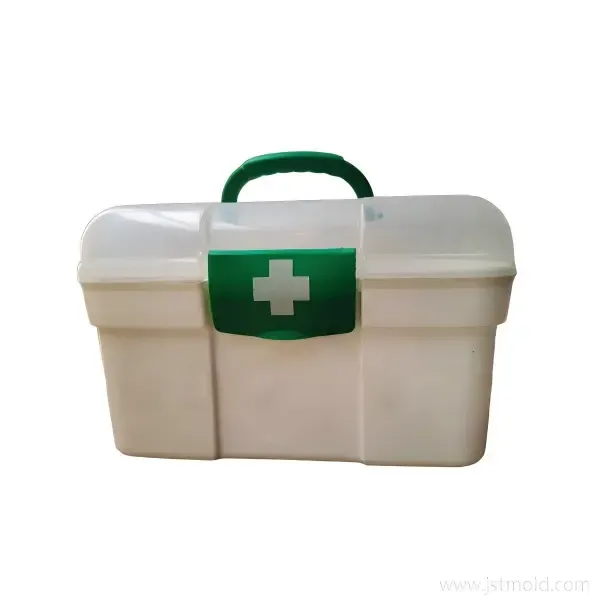
A multi-component storage case with handle, lid and closure features requiring coordinated tooling and assembly fit.
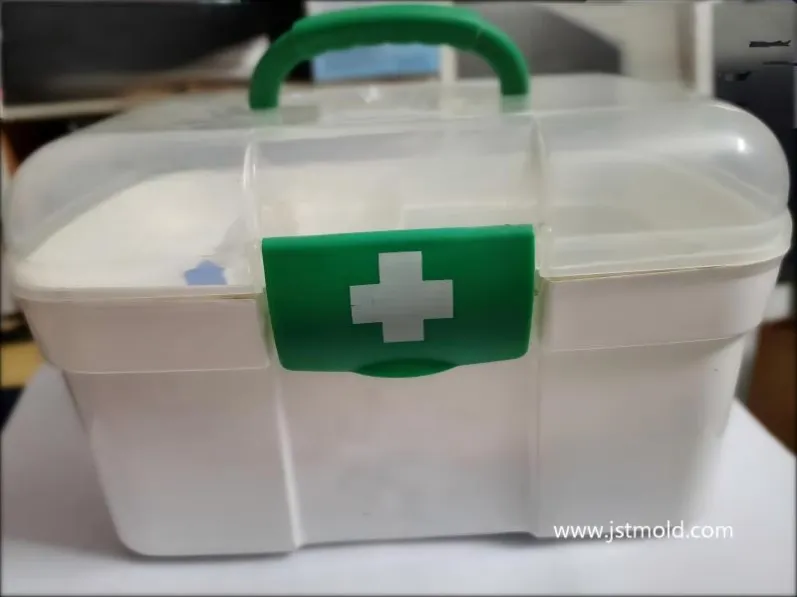
Closure engagement and fit should be assessed against intended opening cycles and product requirements.
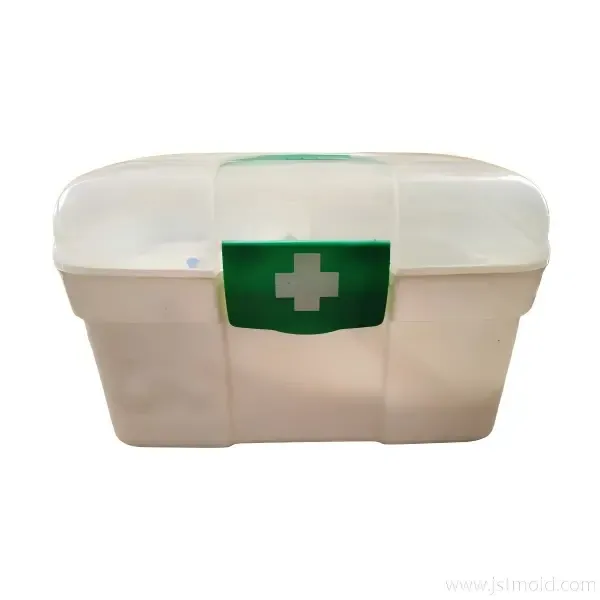
Transparent covers introduce requirements for visible surfaces, part release and mating geometry.
TOOLING ENGINEERING
Practical tooling decisions should follow actual part geometry, resin behavior, finishing requirements and agreed acceptance criteria.
Evaluate snap engagement, hinge movement, fit stack-ups and accessible ejection surfaces before tooling approval.
Review gate location, flow marks, polishing needs and handling for visible lid and window surfaces.
Compare first trials with agreed dimensions and assembly checks, then define corrective actions where needed.
PROJECT WORKFLOW
Start with available CAD and project requirements, then define scope, tooling decisions and trial acceptance steps together.
Send STEP or other available 3D files, intended material, annual volume, case functions and key inspection needs.
Review parting, undercuts, cooling, ejection, closure features and the agreed manufacturing scope.
Review trial parts and dimensional findings, agree any necessary adjustments and coordinate export tooling delivery.