
Injection Molding
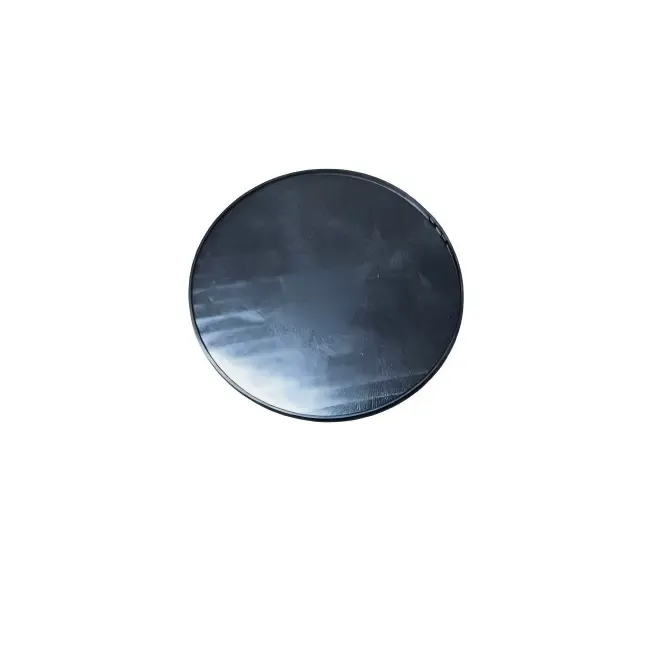
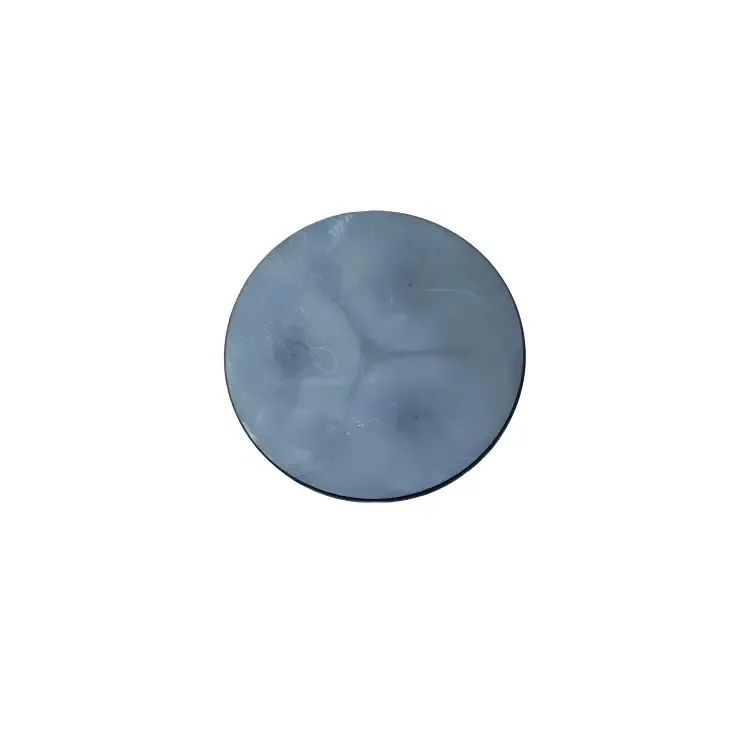
0.5 mm Thin-Wall Injection Molded Plastic Part
Ultra-thin-wall injection molded plastic part with wall thickness down to 0.5 mm. This type of molding requires optimized mold design, high-speed and high-pressure filling, effective venting and stable process control to reduce short shots, warpage and dimensional variation.
Specifications
- Part Type
- Ultra-thin-wall plastic part
- Wall Thickness
- 0.5 mm
- Process
- Precision injection molding
- Key Requirement
- High-speed and high-pressure filling
- Tooling Focus
- Gate design, venting, cooling, mold rigidity
- Main Risks
- Short shot, warpage, burn marks, uneven filling
- Support
- DFM review, mold engineering, molding coordination
- Application
- Thin precision plastic components
0.5 mm Thin-Wall Injection Molding for Precision Plastic Parts
Producing a plastic part with a wall thickness of only 0.5 mm is very different from conventional injection molding. In thin-wall applications, the melt must fill the cavity extremely quickly before freezing, while dimensional stability, surface consistency and repeatability must still be maintained.
For this reason, thin-wall molding is not simply a matter of using a standard mold and machine. It requires coordinated control of part design, mold structure, venting, filling balance and molding conditions.
Why Thin-Wall Injection Molding Is Challenging
Thin-wall parts create a much narrower processing window than conventional molded components. Common challenges include:
- Extremely short filling time
- High sensitivity to gate size and gate position
- Rapid material freezing
- Increased risk of short shots
- Higher likelihood of warpage or uneven filling
- Greater dependence on venting efficiency
- Higher cavity pressure during filling
- Stronger need for stable machine and process setup
In practice, successful thin-wall molding often depends on the combination of suitable tooling, high-speed / high-pressure molding capability and experienced process adjustment.
Key Tooling and Process Considerations
For thin-wall plastic parts, the mold and process must be developed with special attention to:
- Part geometry and flow path balance
- Gate type and gate location
- Venting design
- Mold rigidity and cavity stability
- Cooling efficiency
- Material flow behavior
- Process repeatability during mass production
Even when the part shape appears simple, the actual molding difficulty may be high if the wall section is very thin.
0.5 mm Thin-Wall Capability Example
The example shown on this page represents a thin-wall plastic component with wall thickness down to approximately 0.5 mm. Although the geometry is relatively clean and compact, stable production still requires careful control of filling speed, pressure and process consistency.
This kind of thin-wall molding capability is relevant for technical plastic parts that demand low wall thickness, stable forming and reliable dimensional control.
How JST Mould Supports Thin-Wall Projects
JST Mould supports thin-wall plastic part development through:
- DFM review for moldability and filling risk
- Mold design evaluation for thin-wall applications
- Tooling coordination for precision mold making
- Qualified manufacturing resources for high-speed and high-pressure molding
- Engineering communication during quotation and project assessment
Our goal is to help customers evaluate feasibility early and reduce development risk before tooling release.
Typical Applications
- Consumer product components
- Functional covers and shells
- Precision technical plastic parts
- Lightweight structural details
- Compact plastic parts with strict wall thickness limits
Technical Summary
Item | Typical Requirement |
|---|---|
Part Type | Thin-wall precision plastic part |
Wall Thickness | Down to 0.5 mm |
Process | Precision injection molding |
Filling Requirement | High speed and high pressure |
Critical Factors | Gate design, venting, cooling, mold rigidity |
Main Risks | Short shot, warpage, burn marks, uneven filling |
Engineering Support | DFM review, tooling assessment, molding coordination |
Need Support for a Thin-Wall Plastic Part?
If you are developing a thin-wall plastic component, JST Mould can help review the basic molding feasibility before quotation.
Please send us your 2D/3D part data, material information, target wall thickness and estimated annual volume. We can evaluate the tooling and molding requirements for your project.
FAQ
What is considered a thin-wall injection molded part?
A thin-wall injection molded part generally refers to a plastic component with a much smaller wall thickness than standard molded parts, often requiring faster filling speed, higher injection pressure and tighter process control.
Why is 0.5 mm wall thickness difficult in injection molding?
At 0.5 mm wall thickness, the melt can freeze very quickly before the cavity is fully filled. This increases the risk of short shots, uneven filling, warpage and dimensional instability.
What are the most important factors in thin-wall molding?
Key factors include part geometry, gate design, venting, cooling, mold rigidity, material behavior and stable high-speed / high-pressure molding conditions.
Can JST Mould support thin-wall molding projects?
JST Mould can support thin-wall projects through DFM review, mold engineering evaluation, tooling coordination and qualified manufacturing resources for thin-wall precision molding.
What information should be provided for thin-wall project evaluation?
To assess a thin-wall project, it is helpful to provide 2D/3D drawings, material specification, target wall thickness, appearance requirements and estimated production volume.